Autonomous Maintenance Standards

Autonomous Maintenance Standards

Autonomous Maintenance Standards

Autonomous Maintenance Standards

Conduct initial maintenance in accordance with standards; revise any that need to be revised at this point.

  • Develop lists for operators based on daily, weekly, and monthly tasks.
    • Maintenance management systems should be used to generate scheduled check lists.
    • The lists should be divided among all shifts so the work load is balanced.
    • The lists should include all safety items and graphical representations of tasks to complete.
    • On-the-job training supported by single point lessons can be used to train operators on any new inspection procedures.

Following these standards, operators lubricate and inspect all equipment in the allotted time frame. By repeating these activities, they search for and discover the optimal combinations of these routine maintenance standards and schedules. By thoroughly understanding the equipment and processes as a system, operators are now able to recommend revised maintenance standards. Performing maintenance inspections, the production operator takes greater responsibly and ownership for their machine.

To learn more about how Technology Transfer Services can put your organization on a path to world class maintenance, call us at (813) 908-1100 today!
Related Blogs

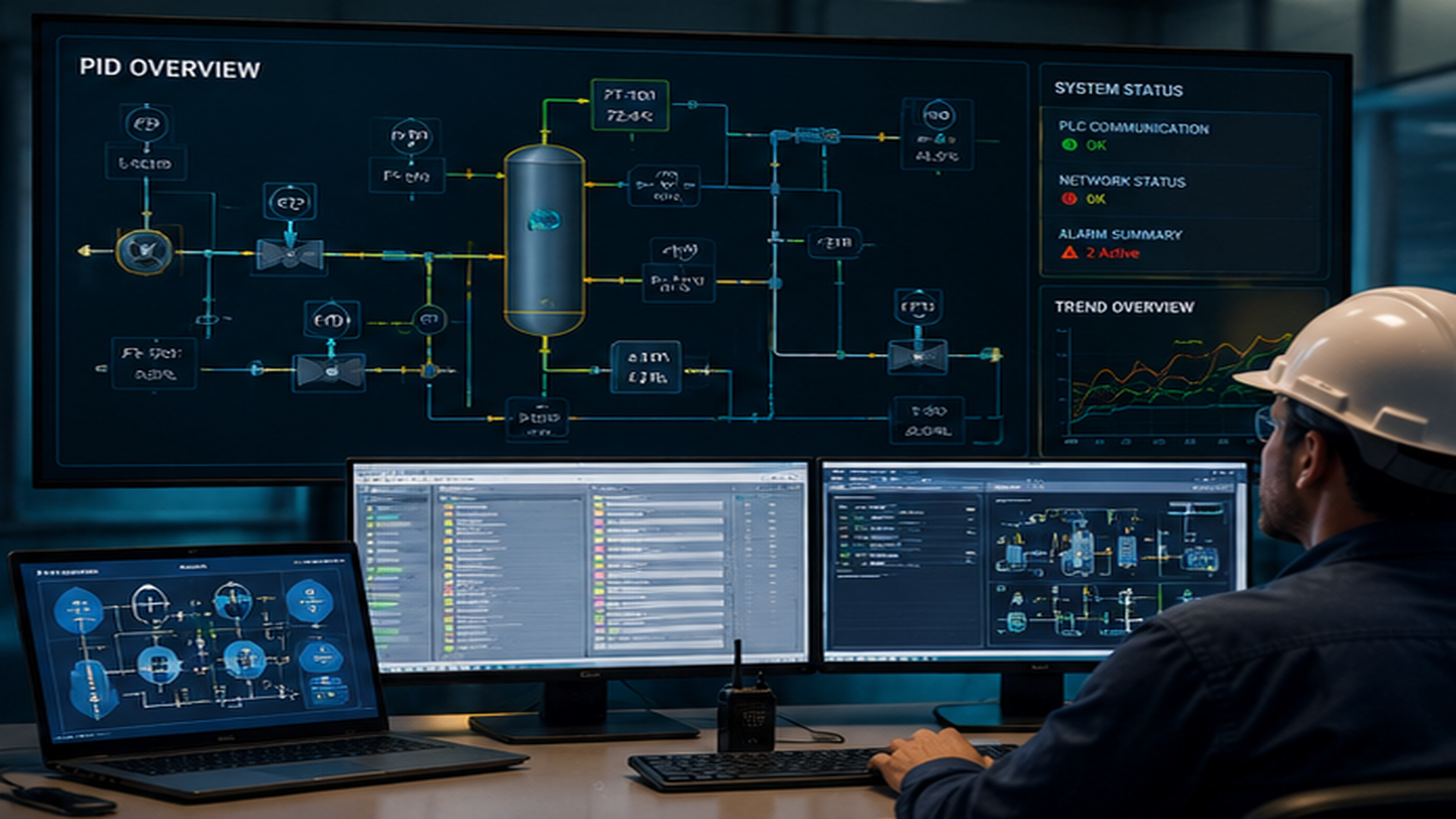
PID systems used in industrial automation for process control, showing how proportional, integral, and derivative controllers maintain temperature, pressure, flow, and level stability in industrial operations.
What Are PID Systems and Why Do They Matter in Industrial Operations?

What Is a PID System? A PID controller — Proportional-Integral-Derivative controller — is the most widely used feedback control mechanism […]

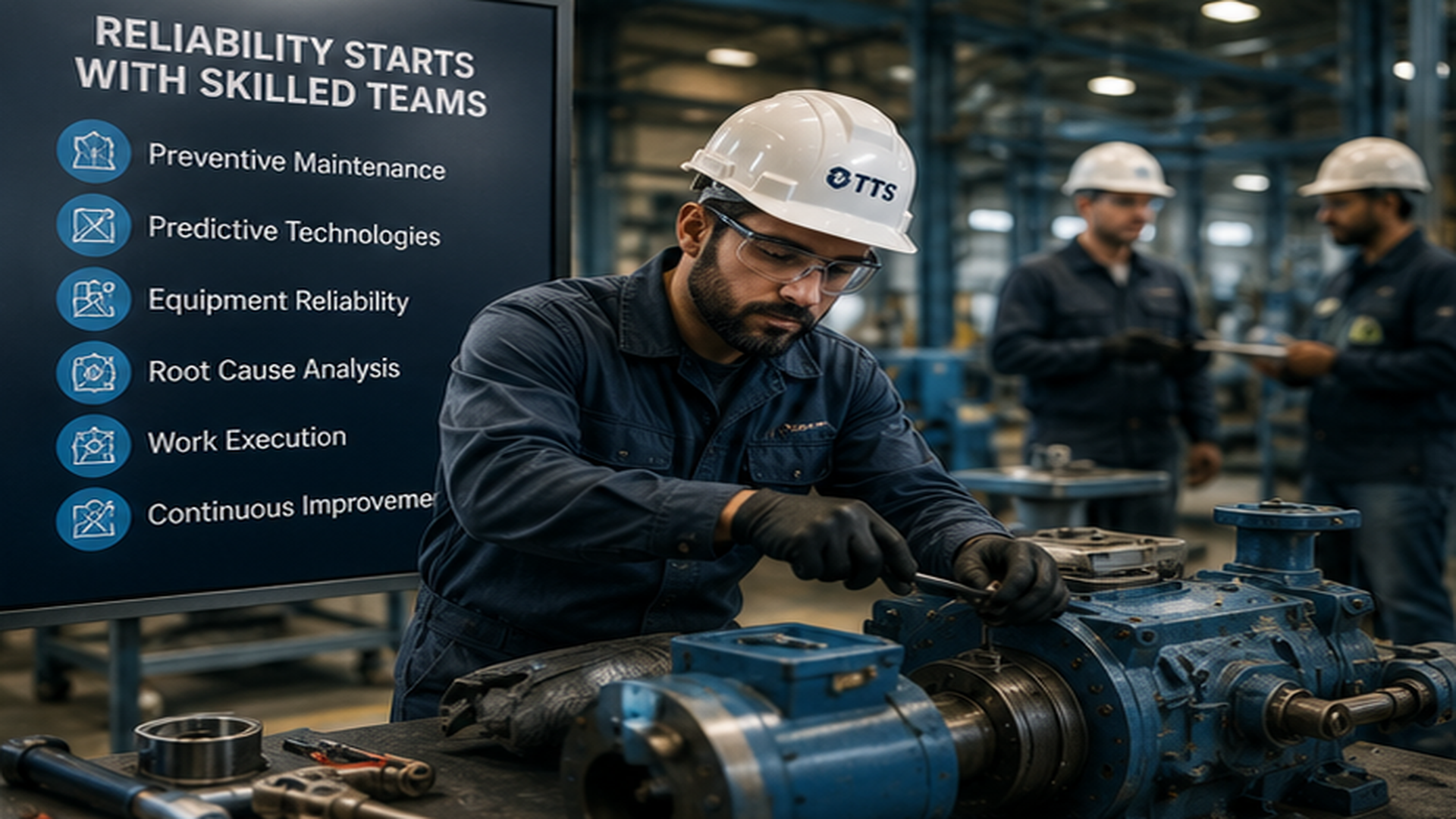
Maintenance workforce training program focused on reliability improvement, preventive maintenance, troubleshooting, MTTR reduction, and equipment uptime in industrial facilities.
How Maintenance Workforce Training Improves Reliability and Uptime
Learn how maintenance workforce training improves reliability, reduces downtime, lowers MTTR, increases MTBF, and strengthens industrial workforce performance.
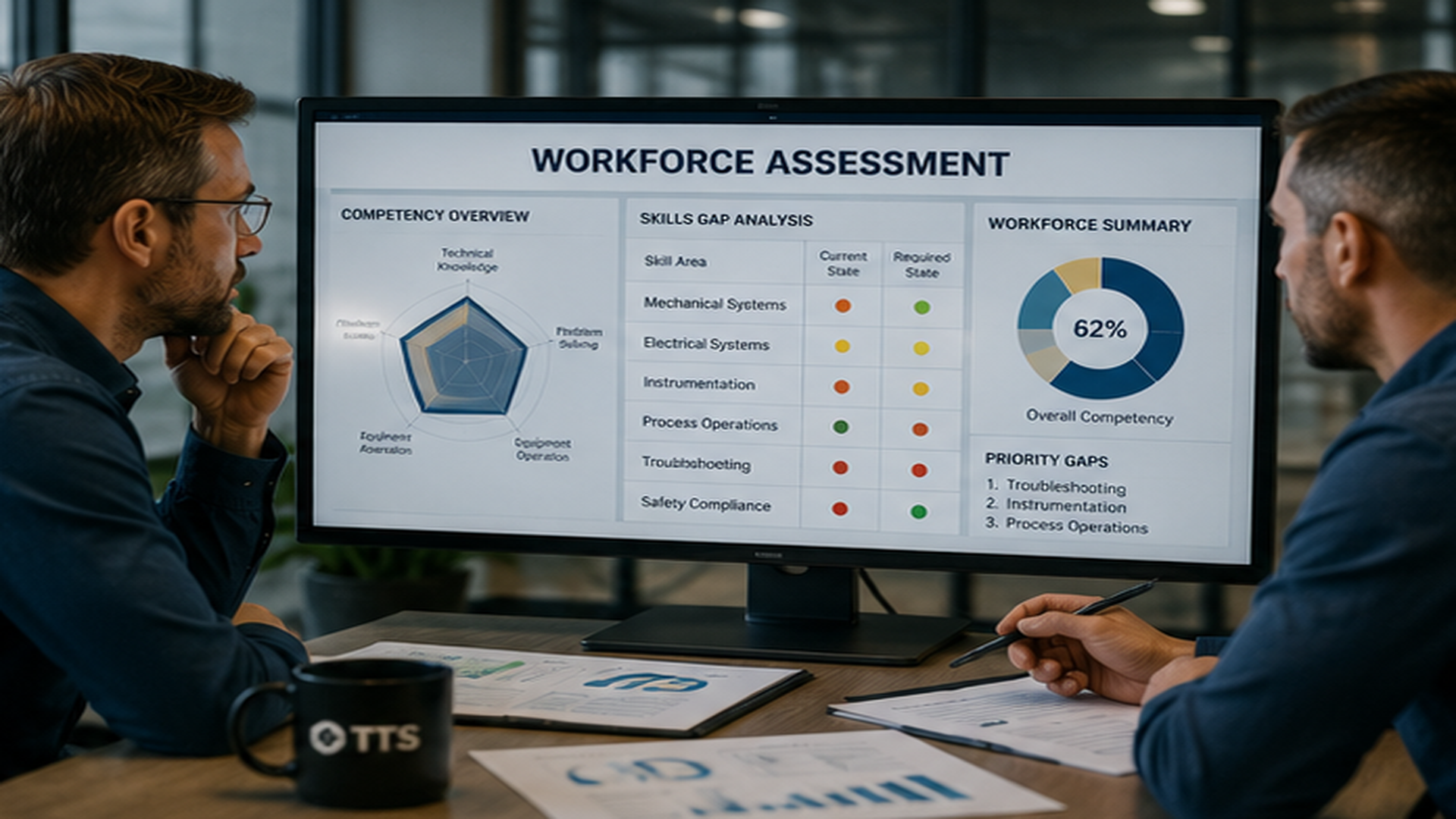
Technical workforce assessment evaluating employee competencies, skills gaps, and workforce readiness in an industrial facility.
What Is a Technical Workforce Assessment?
Learn how technical workforce assessments help industrial organizations identify skills gaps, improve workforce readiness, reduce downtime, and align training with operational goals.