Establishing and maintaining a sound chemical safety policy not only saves human lives and protects the environment but also avoids fines and penalties. Any activity involving chemicals must be done in a manner that complies with predetermined and approved procedures that ensure the protection of company personnel, the environment and the community.
Chemical safety rules apply to all naturally occurring and manufactured chemicals, as well as exposure resulting from related processes including mining, extraction, manufacture, shipping, uses, disposal and recycling.
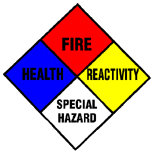
Numerous technical and scientific factors must be taken into account when making a chemical risk assessment. The physical and biological effects of chemicals must be considered before implementing any chemical safety measures.
The best way to improve chemical safety awareness in your organization is by educating and training the entire workforce from entry level employees to executive managers. Up to date training will also ensure that company personnel follows the established chemical safety protocols.
Technology Transfer Services (TTS) offers instructor-led and e-learning chemical safety training courses to meet your training needs. E-learning courses are popular because they may be taken at the convenience of the employees while still offering progress tracking and documentation as it is delivered. Sound management of chemicals is vital to the security of your company and community. TTS can customize courses to meet individual industry and client requirements. Contact TTS for information on our cutting edge chemical safety training solutions.