Why Workforce Readiness Matters
New industrial facilities represent enormous capital investment. The business case justifying that investment is built on production assumptions — throughput, yield, uptime, and ramp-up timeline — that can only be realized if the workforce operating the facility is genuinely ready.
Most facility startups fall short of their production assumptions in the first 12 months. In the majority of post-mortem analyses, the gap is not equipment performance. It is workforce readiness: operators who have not internalized SOPs, maintenance technicians who are unfamiliar with the specific failure modes of the installed equipment, and supervisors who have not been trained to manage startup-phase operational instability.
Operational Readiness Training Scope
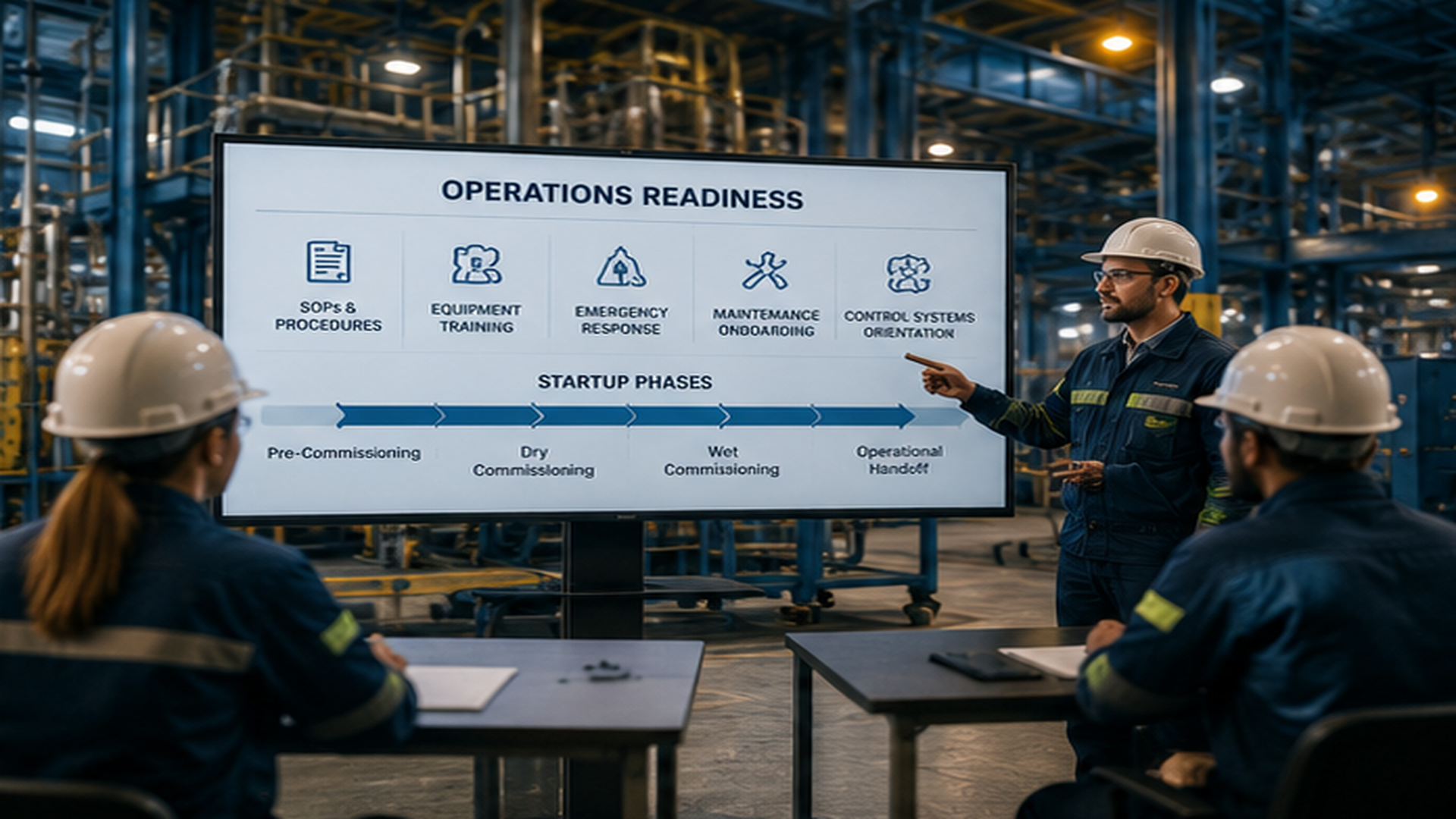
- SOP Familiarization: Operators and maintenance staff learn the exact procedures they will follow, not generic process education.
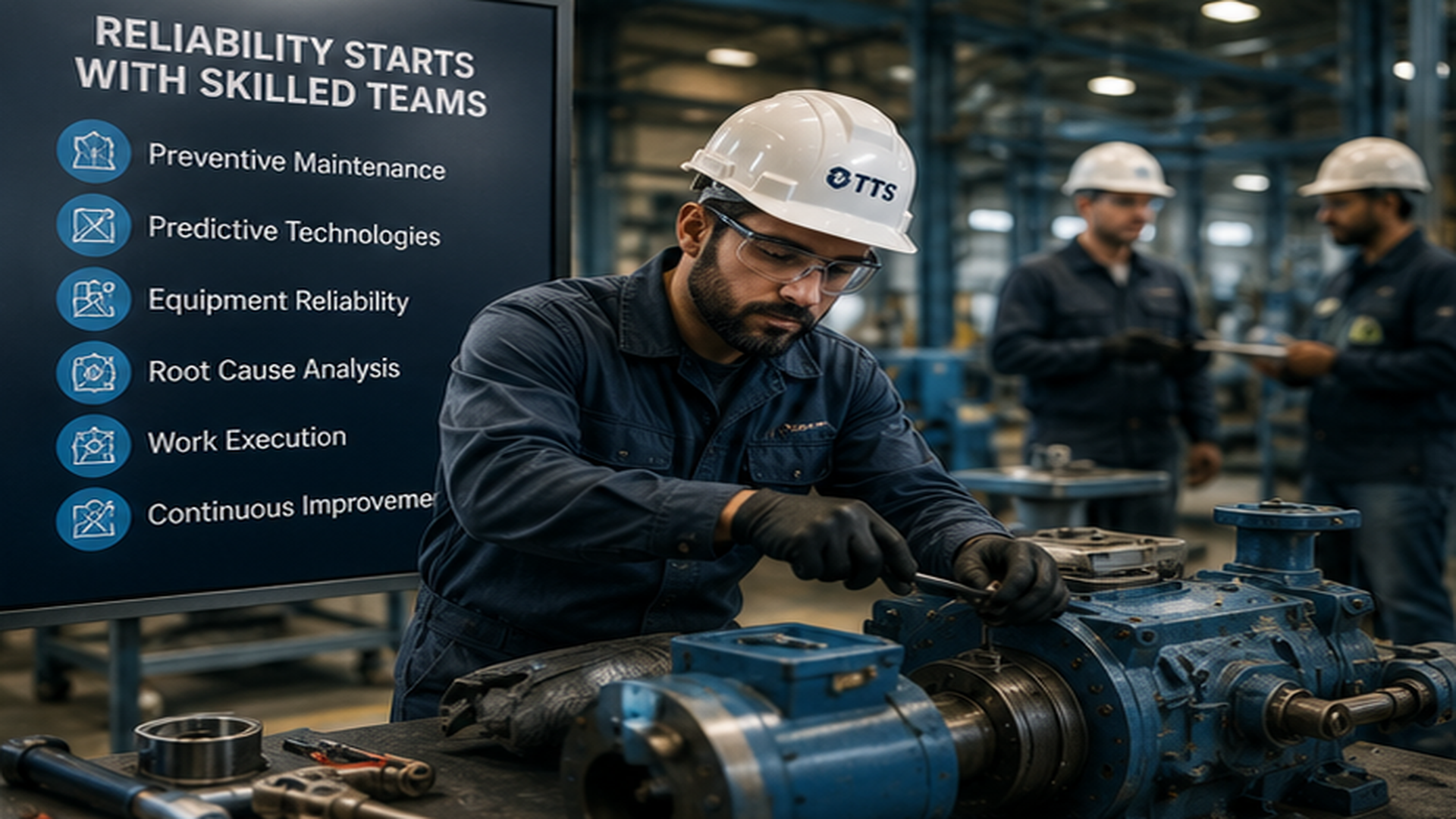
- Equipment-Specific Training: Hands-on familiarity with the actual installed systems — not classroom simulations alone.
- Emergency Response Training: Clear, practiced protocols for equipment failures, safety events, and process upsets.
- Maintenance Onboarding: PM schedules, lubrication routes, and inspection protocols aligned to the actual installed asset base.
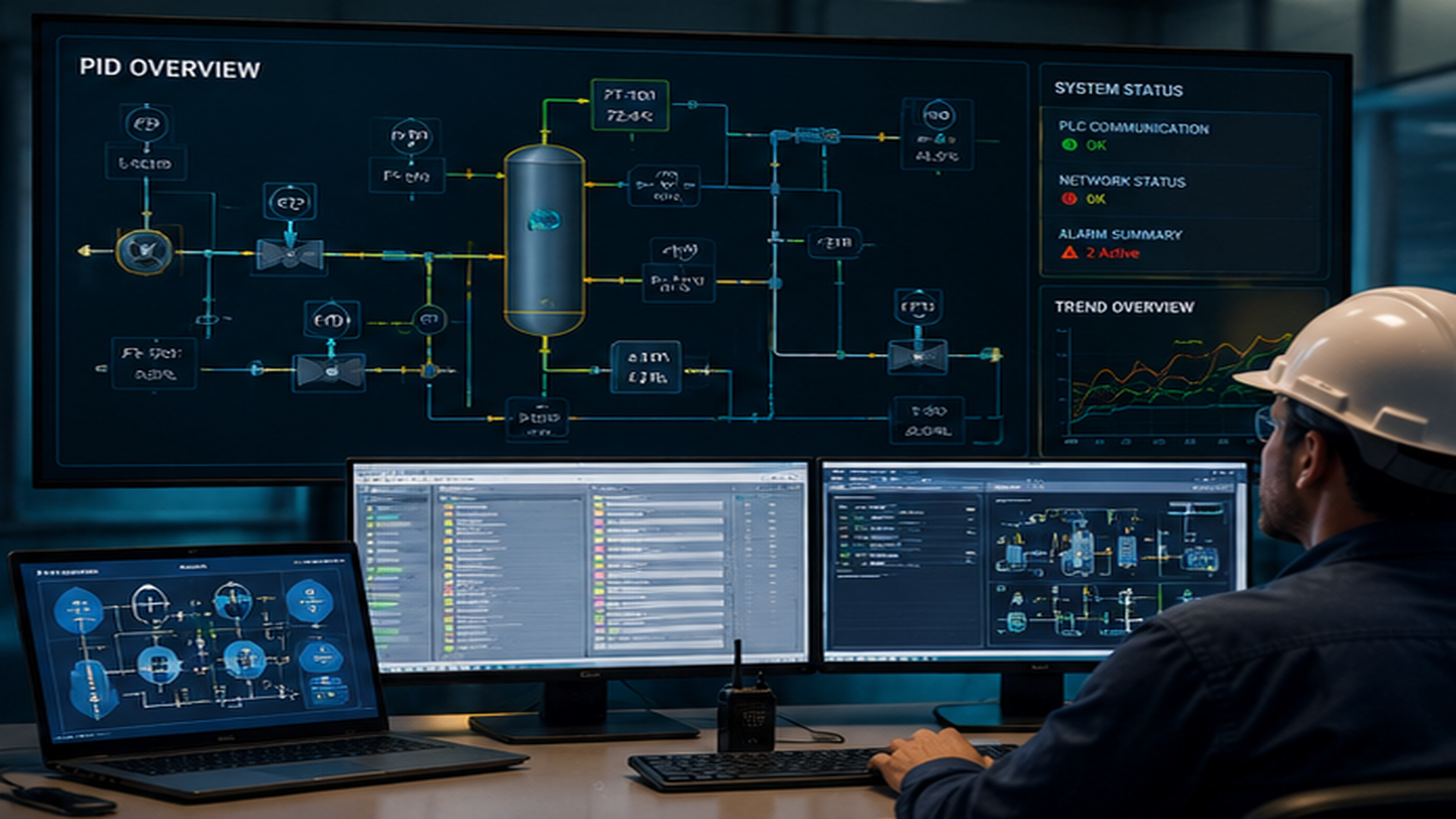
- Control Systems Orientation: DCS, SCADA, and PLC familiarization sufficient for operators to manage normal and abnormal conditions.
Key Phases
| Startup Phase | Training Focus | Operational Risk Addressed |
| Pre-commissioning | SOP development and review, documentation literacy | Procedure inconsistency at startup |
| Dry commissioning | Equipment familiarization without process fluid | Operator unfamiliarity with installed systems |
| Wet commissioning | Live operation under supervised conditions | Startup delays from operator hesitation |
| Operational handoff | Role verification, independent performance assessment | Productivity loss after commissioning team exits |
Common Workforce Gaps During Facility Startup
- Operators who can recite SOPs but have not internalized the decision logic behind them.
- Maintenance teams who understand general maintenance principles but not the specific failure modes of the installed equipment.
- Vendor-specific equipment knowledge that was never transferred from the installation team to the operating team.
- Supervisors who have not been trained to manage the heightened operational uncertainty of a startup environment.
Pro Tip: Signs your facility is not operationally ready: SOPs are not finalized, maintenance teams lack equipment-specific familiarity, no task qualification system is in place, vendor training is incomplete, and shift-to-shift performance is inconsistent.
Measuring Startup Readiness
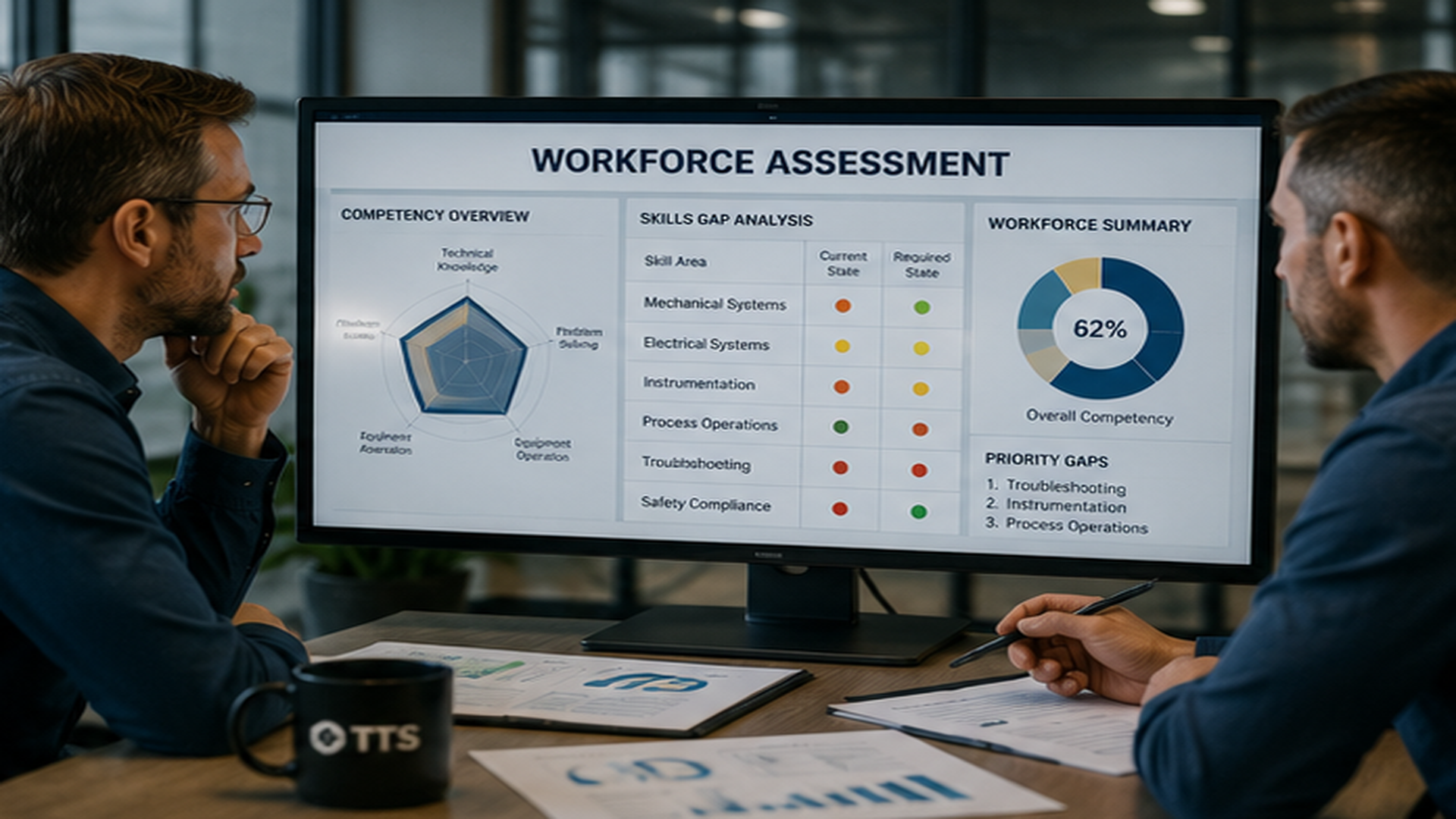
- Competency matrices that map each role to required knowledge and skill elements.
- Task qualification sign-offs that verify practical performance, not just classroom completion.
- Simulation assessments for abnormal condition response.
- Skills verification audits at 30 and 90 days post-startup.
Example: Workforce Readiness for a New Power Plant
A combined-cycle power plant commissioning team identified a significant workforce readiness gap three months before planned startup. Operations technicians had completed vendor training on major equipment but had not been trained on the DCS alarm management philosophy or the specific lockout/tagout procedures for the installed systems.
TTS supports industrial organizations through structured workforce readiness programs aligned with startup schedules, operational procedures, and equipment onboarding. A targeted 8-week pre-startup readiness program closed the identified gaps, and the facility achieved design throughput 6 weeks ahead of the original ramp-up projection.
Frequently Asked Questions
What is operational readiness training?
Structured workforce preparation that ensures operators, maintenance teams, and supervisors can perform their roles at standard from day one of facility operation.
How long before startup should readiness training begin?
Most readiness programs begin 3 to 6 months before planned startup, with equipment-specific training accelerating in the final 8 weeks before commissioning.
What is the cost of skipping readiness training?
Delayed ramp-up to design production rates, higher startup scrap and waste, increased contractor dependency, and longer time to achieve target OEE.
Who should lead operational readiness training?
A combination of equipment vendors, process engineers, and operational training specialists who can bridge technical content and adult learning delivery.