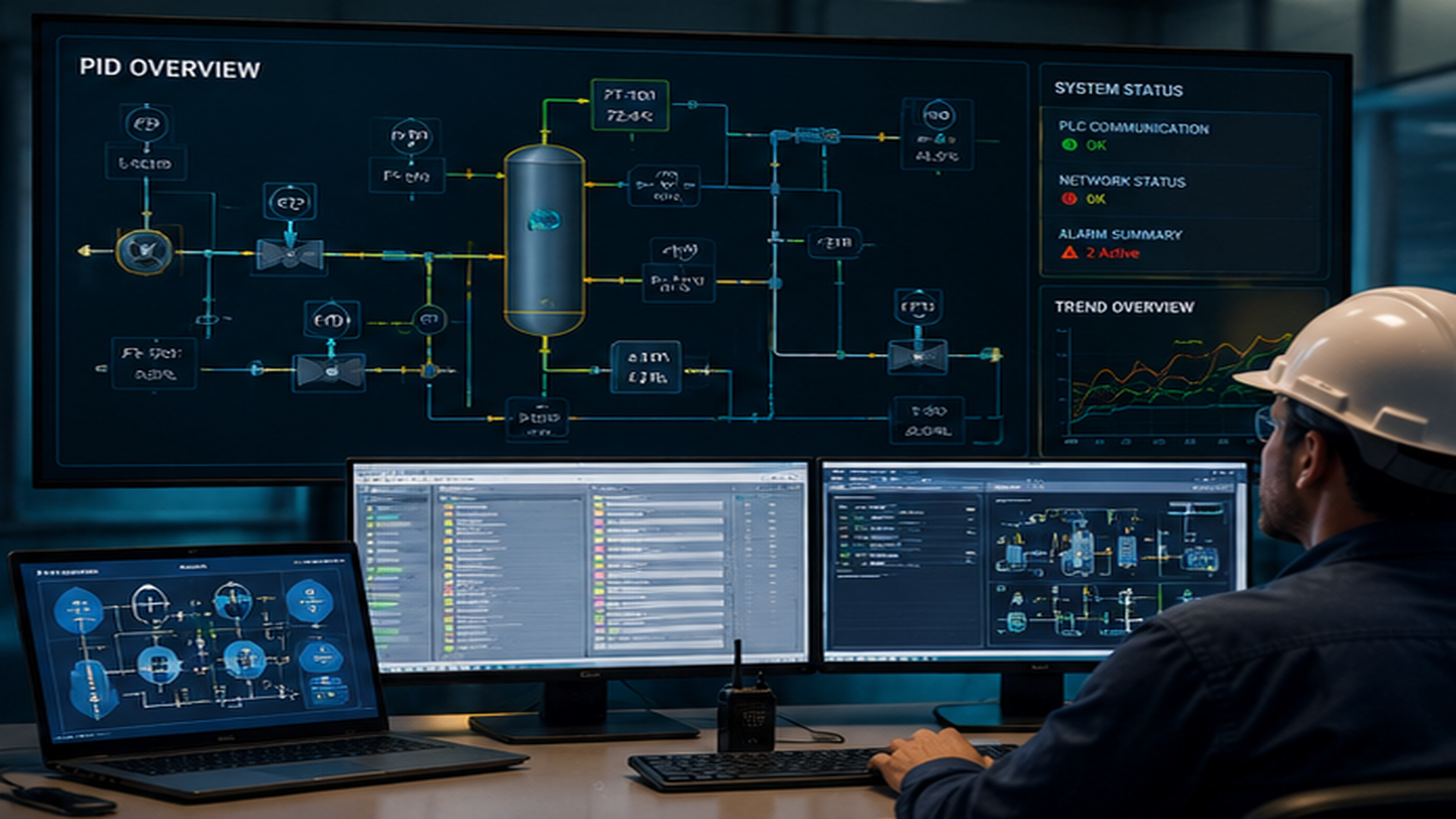
A good preventive maintenance program develops procedures for regulatory compliance, standard operating procedures, and maintenance. Procedures are basically a guide for mechanics and other personnel outlining the necessary steps to accomplish a task or tasks. They can be presented in a variety of forms, including written procedures and in more visually appealing ways, such as interactive 3-D renderings and models.

Procedures in technical materials from the manufacturer often lack detail required for consistent performance. For instance, a PM to “inspect the gearbox” does not tell the mechanic what to inspect for. The inspection criteria are subjected to the level of experience of the mechanic. Procedures must be written with sufficient detail to ensure consistent performance.
Types of procedures to consider include:
- Inspections
- Adjustments
- Testing controls
- Calibrations
- Rebuilds
- Replacements
Good PM procedures should include:
- List of tools required to perform the PM
- Data form to record measurements or readings
- Range of values expected for readings
- Safety criteria
Frequency may be set based on manufacturer’s recommendation. If a recommendation does not exist, use records to determine time between failures of components. As a general rule an effective PM program will generate one corrective action for every 3 to 6 PM inspection. Periodicity can be adjusted based on experience as the program is implemented.

We here at TTS have developed procedures for a wide variety of organizations and bring the best methodologies from each industry to our clients. From Lockout Tagout to Standard Operating procedures, a good procedure provides the foundation for consistent, safe operation.