Conducting a General Inspection

General Inspections

Conducting a General Inspection

General Inspections

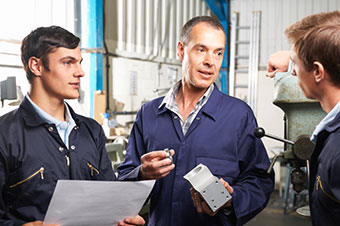
Prior to starting Step 4, inspection categories such as fasteners, electrical, power transmission, hydraulics, and pneumatics must be selected. At the end of each inspection category, operators set standards in order to maintain equipment conditions.  After learning the function of the equipment, along with inspection methods and criteria for deterioration in each category, operators inspect and correct defects that are found. When difficult problems are found that are uncorrectable by operators, assistance by maintenance technicians may be requested.

General inspections include bolt torquing or tightening, minor calibration, adjustments, replacement of worn parts, temperature, pressure, or flow checks.

To learn more about how Technology Transfer Services can put your organization on a path to world class maintenance, call us at (813) 908-1100 today!
Related Blogs

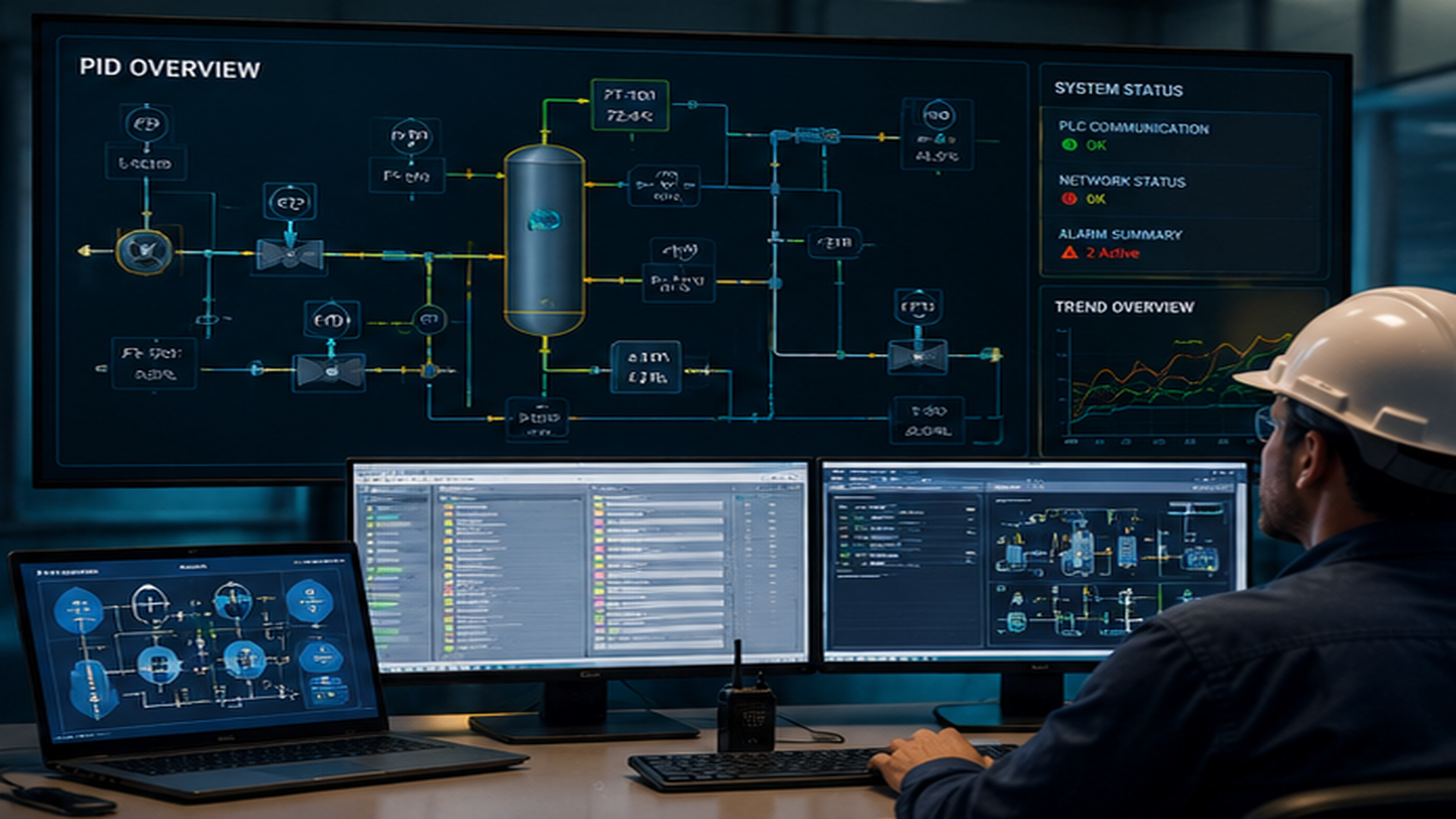
PID systems used in industrial automation for process control, showing how proportional, integral, and derivative controllers maintain temperature, pressure, flow, and level stability in industrial operations.
What Are PID Systems and Why Do They Matter in Industrial Operations?

What Is a PID System? A PID controller — Proportional-Integral-Derivative controller — is the most widely used feedback control mechanism […]

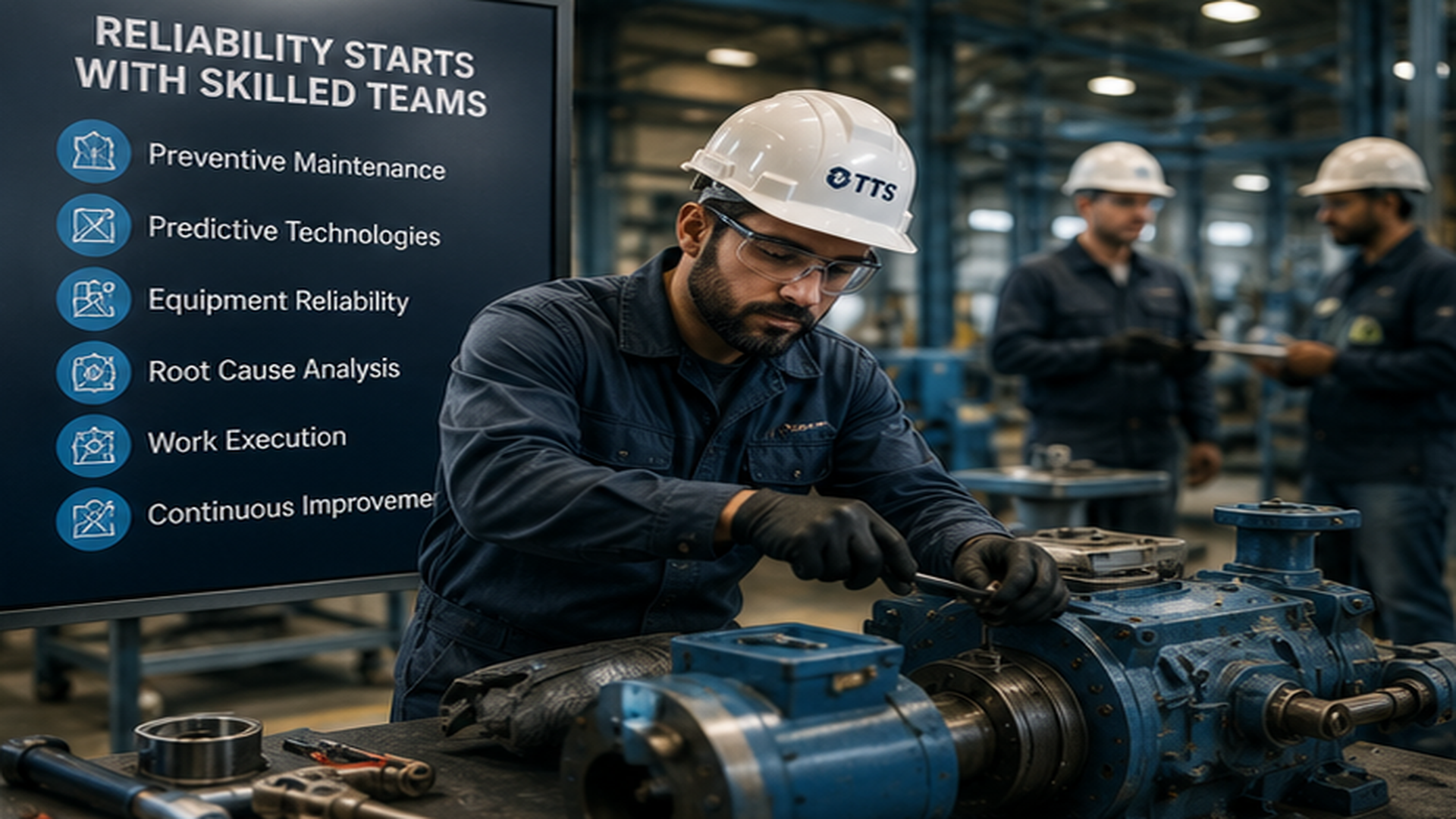
Maintenance workforce training program focused on reliability improvement, preventive maintenance, troubleshooting, MTTR reduction, and equipment uptime in industrial facilities.
How Maintenance Workforce Training Improves Reliability and Uptime
Learn how maintenance workforce training improves reliability, reduces downtime, lowers MTTR, increases MTBF, and strengthens industrial workforce performance.
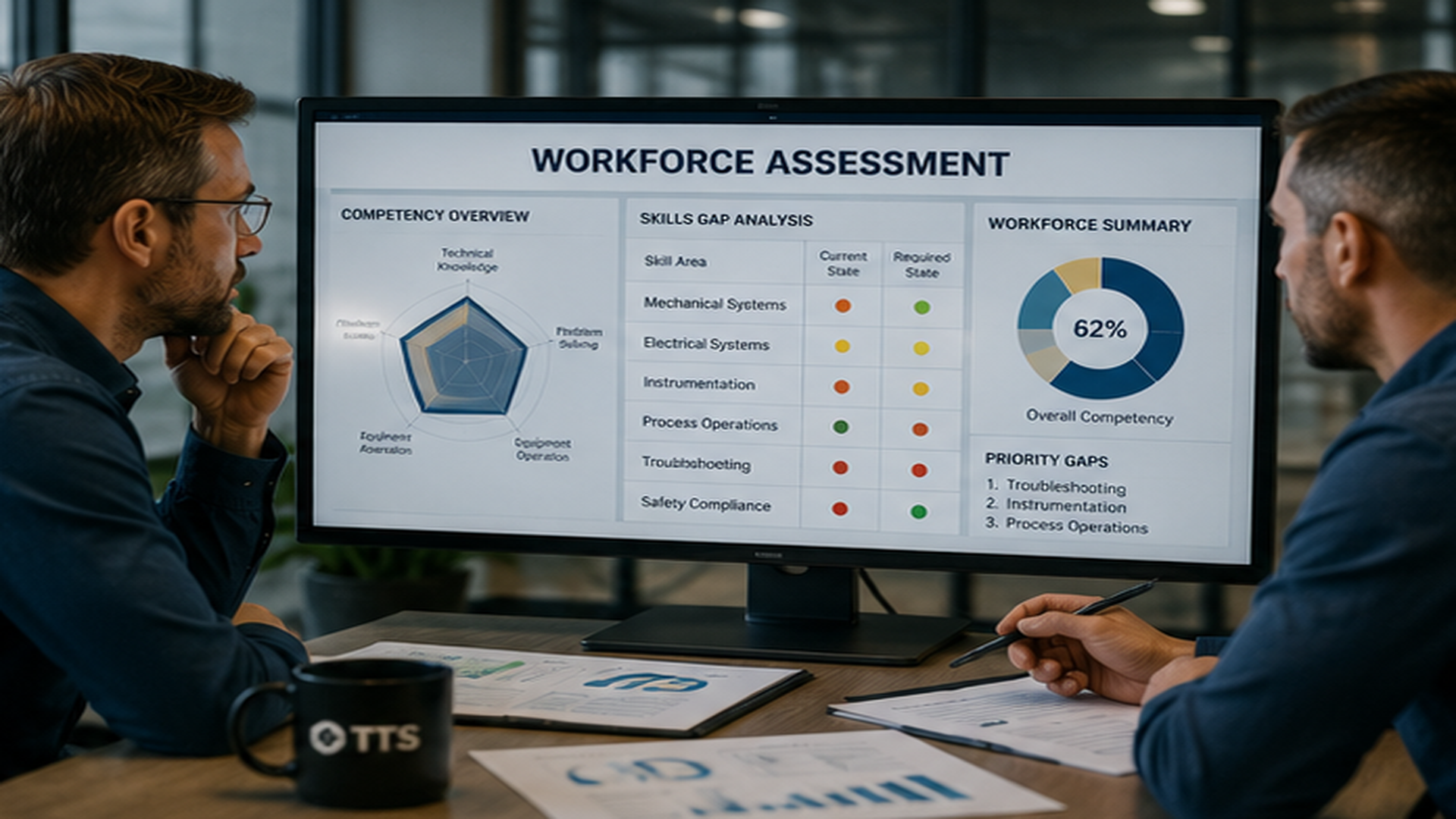
Technical workforce assessment evaluating employee competencies, skills gaps, and workforce readiness in an industrial facility.
What Is a Technical Workforce Assessment?
Learn how technical workforce assessments help industrial organizations identify skills gaps, improve workforce readiness, reduce downtime, and align training with operational goals.
Scroll to Top