The Key to AM Success: Autonomous Management

The Key to AM Success: Autonomous Management

Robots Manufacturing

Constant monitoring of the autonomous maintenance program is needed or it will deteriorate just as the machines will without the program. Autonomous maintenance has become self sufficient at this point and external forces are no longer required to drive this project. The small groups are self-managing and resolve any upcoming issues.

Operators conduct autonomous maintenance supervision and follow standards set by themselves on the orderly shop floor. Operators consistently maintain basic maintenance and condition of equipment by replacing worn or deteriorated parts. On the other hand, maintenance personnel provide planned maintenance by applying preventive and predictive maintenance to critical machinery.

To learn more about how Technology Transfer Services can put your organization on a path to world class maintenance, call us at (813) 908-1100 today!
Related Blogs

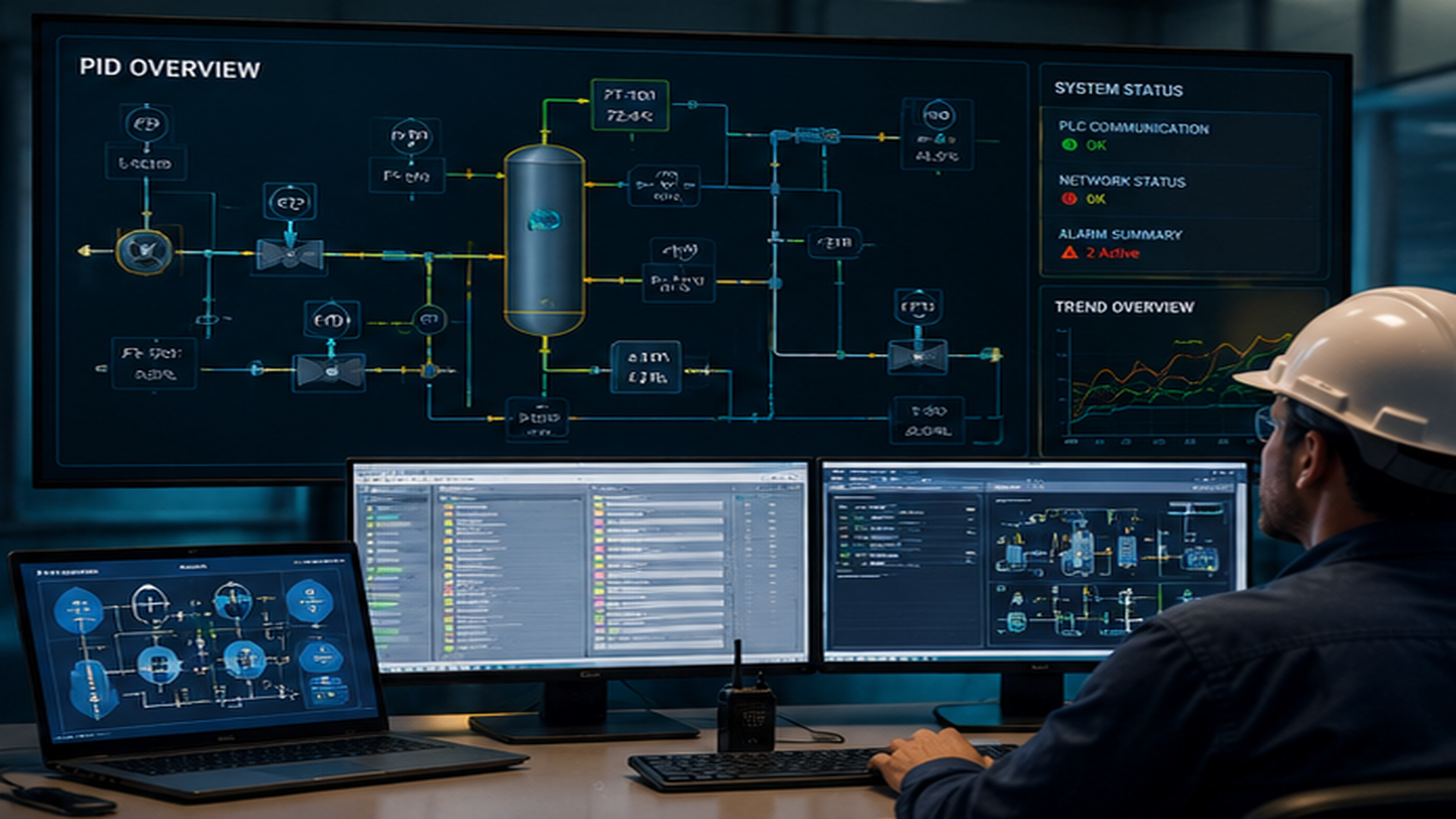
PID systems used in industrial automation for process control, showing how proportional, integral, and derivative controllers maintain temperature, pressure, flow, and level stability in industrial operations.
What Are PID Systems and Why Do They Matter in Industrial Operations?

What Is a PID System? A PID controller — Proportional-Integral-Derivative controller — is the most widely used feedback control mechanism […]

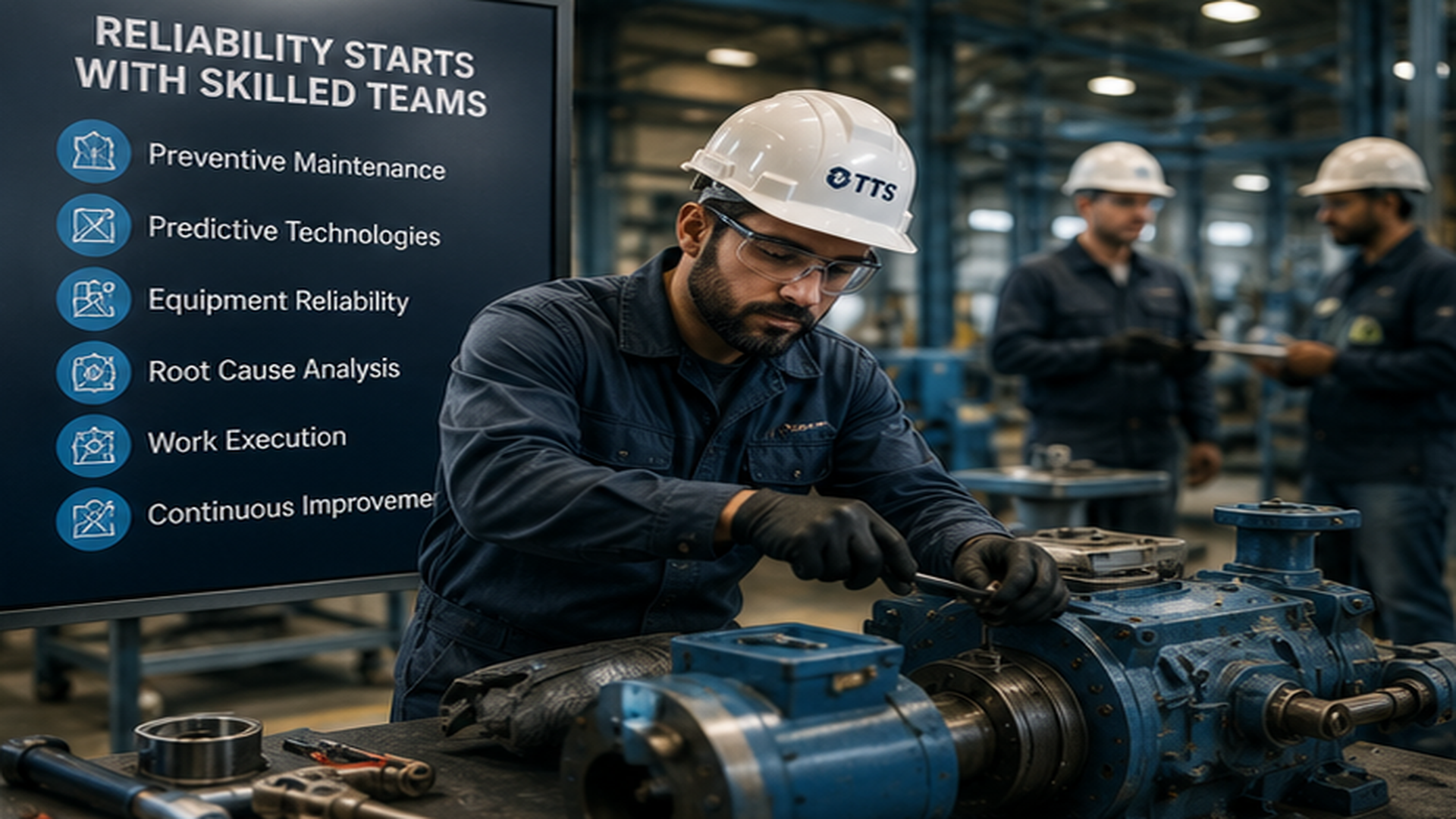
Maintenance workforce training program focused on reliability improvement, preventive maintenance, troubleshooting, MTTR reduction, and equipment uptime in industrial facilities.
How Maintenance Workforce Training Improves Reliability and Uptime
Learn how maintenance workforce training improves reliability, reduces downtime, lowers MTTR, increases MTBF, and strengthens industrial workforce performance.
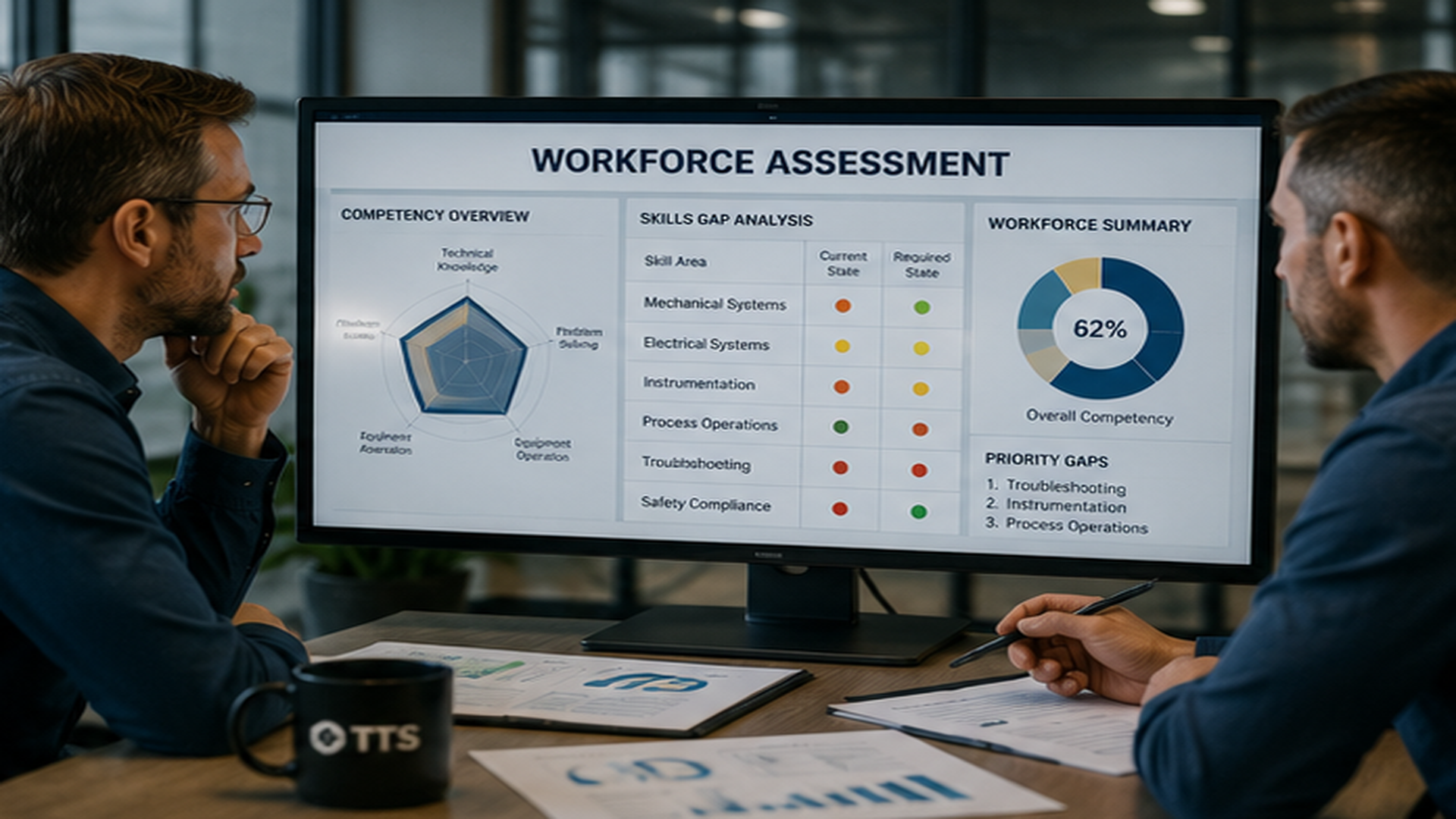
Technical workforce assessment evaluating employee competencies, skills gaps, and workforce readiness in an industrial facility.
What Is a Technical Workforce Assessment?
Learn how technical workforce assessments help industrial organizations identify skills gaps, improve workforce readiness, reduce downtime, and align training with operational goals.