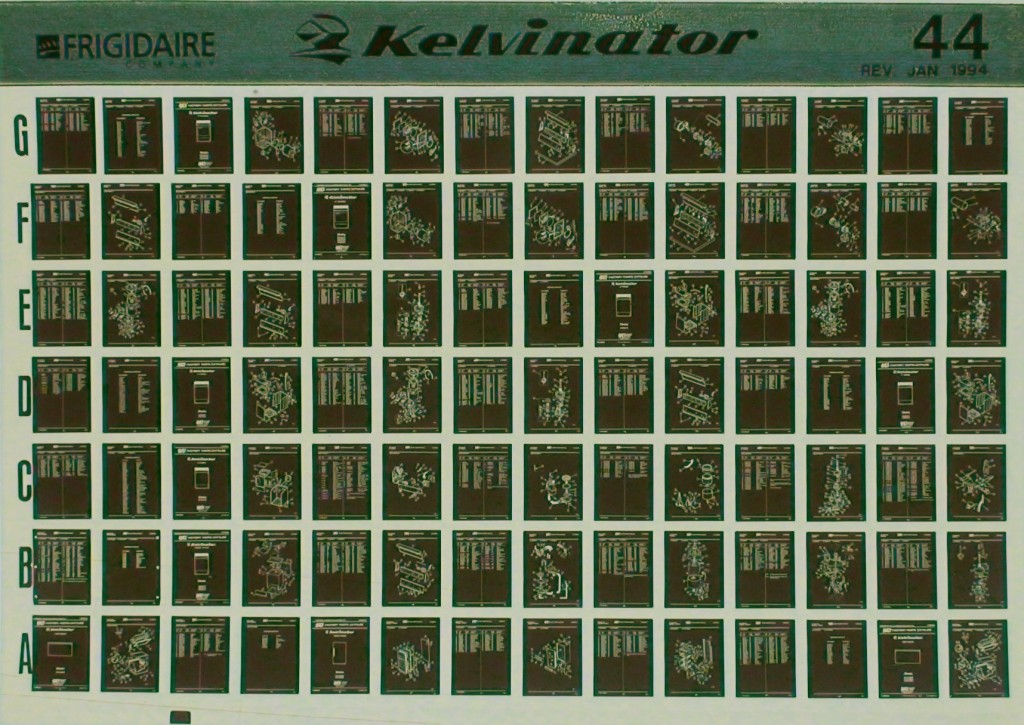
Ensuring facility documentation meets modern standards requires more than just updating them from time-to-time. It is understood that documents, if allowed to become so outdated they have the reliability and readability of the Dead Sea Scrolls, will be useless to technicians when needed. Beyond keeping documents current, though, having quality facility documentation means allowing your documentation to evolve. As technology continues to advance, the Evolution of Documentation continues to provide new and improved methods for meeting your facility’s needs.
Interactive Manuals provide your technicians with step-by-step, animated procedures that visually demonstrate the proper way to perform a task. These procedures make a virtual manual available for operators and technicians at local workstations, providing just-in-time information.
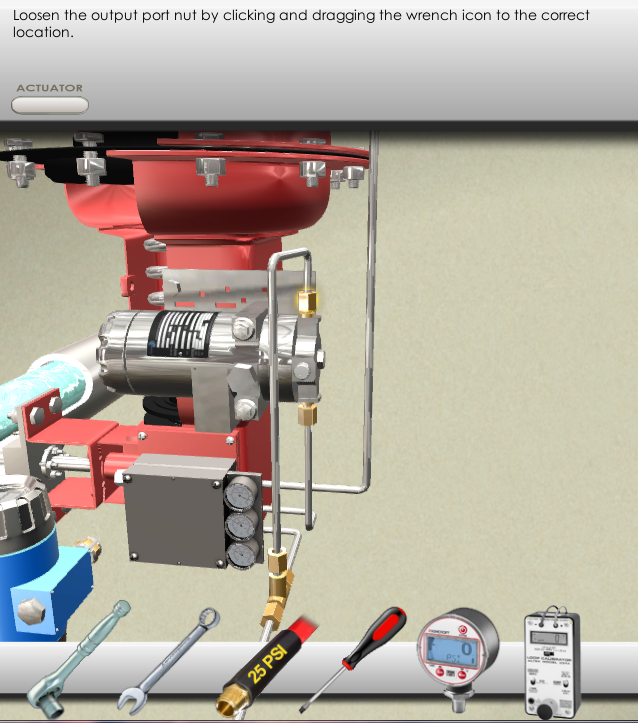
Content Management Systems (CMS) allow for technical manuals to include thousands of procedures, engineering models, theory of operations, and troubleshooting guides. These improved manuals can provide technicians with a one-stop shop for improved understanding and technical knowledge.
Online Product Documentation blends traditional manuals with the latest eLearning technology. The technician is able to retain valuable information, more quickly than before, thanks to the application of proven training practices.
To begin the evolution of your documentation today, contact Technology Transfer Services at (813) 908-1100.