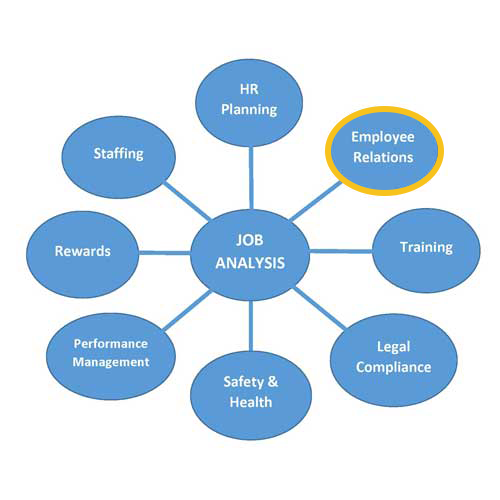
In a previous article, we discussed how a JTA can provide useful information for HR Planning. This week’s article provides more specific examples of how that information can be applied to employee relations within an organization.
JTAs are a tool for effective talent management.
Ensuring that organizations have the human capability to meet strategic challenges requires planning for and obtaining the right talent. A JTA is an important element to consider when contributing to the training and development of employees, specifically when you’re dealing with new hires, as well as preparing employees for their next tier position. See keywords future-casting and succession planning.

JTAs can alleviate skill and knowledge gaps.
Job analysis provides information about what the job entails and what human characteristics are required to perform it. This information is used to form job descriptions that help management decide the best people they need to recruit and hire. Retirements, inexperienced newcomers, new technologies, or new strategic direction can all create gaps in knowledge and skill that can affect job performance. Skill upgrade programs may be introduced from time to time to close these gaps, using the training recommendations gleaned from a well-conducted JTA.

JTAs can support compensation decisions and performance appraisals.
A performance appraisal compares an employee’s actual performance with company standards. Managers can use a job analysis to determine the job’s specific activities and performance standards. This information can also be used to support compensation decisions and to effectively communicate these decisions to employees.
JTAs provide a means for employee engagement and retention.
An essential part of an organization’s talent management strategy is its focus on employee engagement and retention. Organizations that maintain this focus create an environment where employees have the tools, resources, and professional opportunities to develop skills and fulfill career goals. By implementing long-term career growth and opportunity strategies, employees are empowered to reach their full potential and add value to the organization.
Contact LeAnne Selman today at lselman@techtransfer.com to learn how we can help your organization!