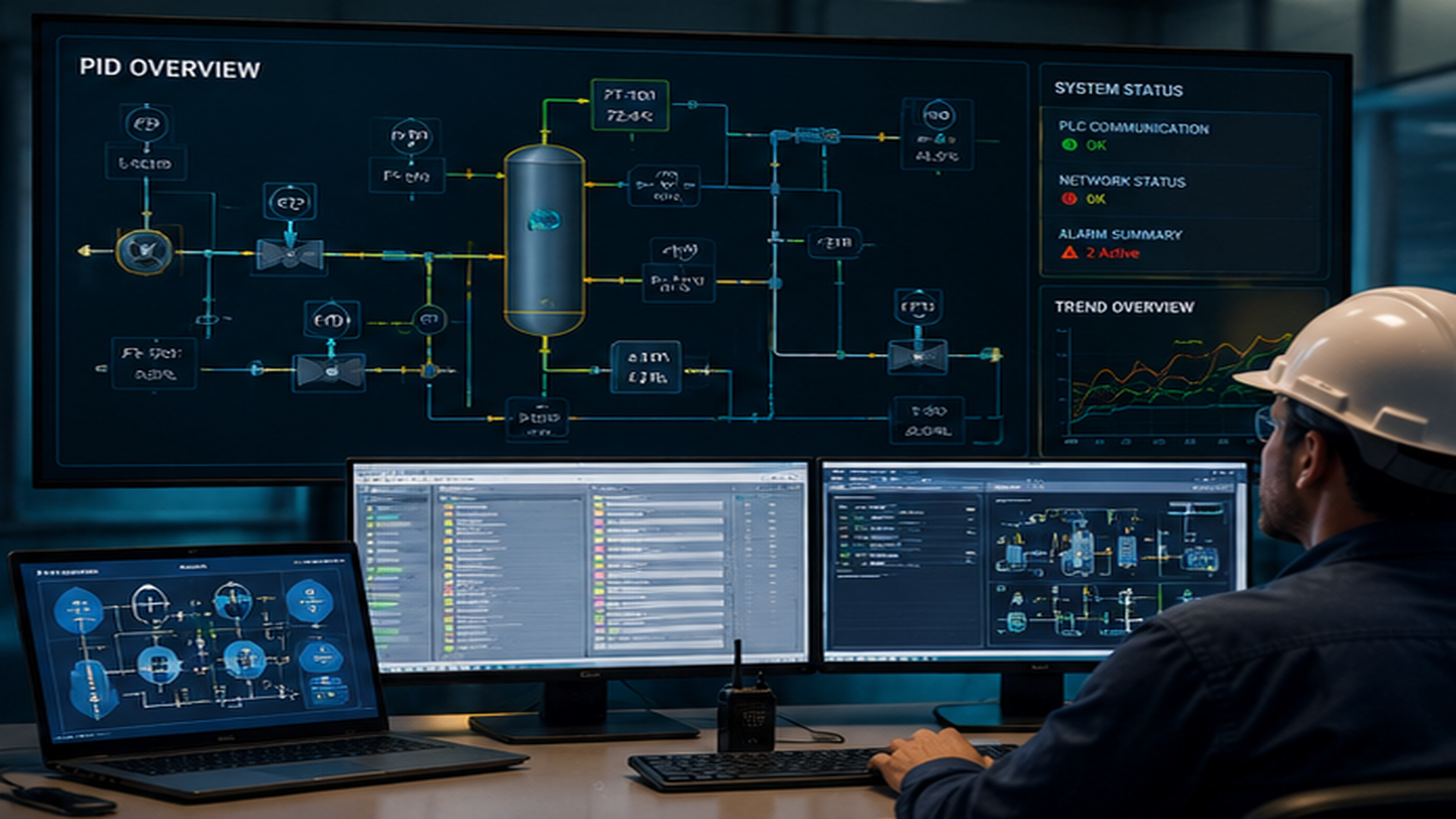
If your job involves work within, or you are considering a career related to, modern industrial facilities, the odds are that you have come across the term Instrument Control Loop. This term defines a common and important aspect of modern industrial facilities. For evidence of just how important knowledge of it is, drop the term “Instrument Control Loop” into LinkedIn’s job search engine and glance over the list of job titles that pops up. Some of the largest companies in the world require not just their technicians but a wide range of other engineering, administrative, and operations positions to have, at a minimum, a basic understanding of an instrument control loop!
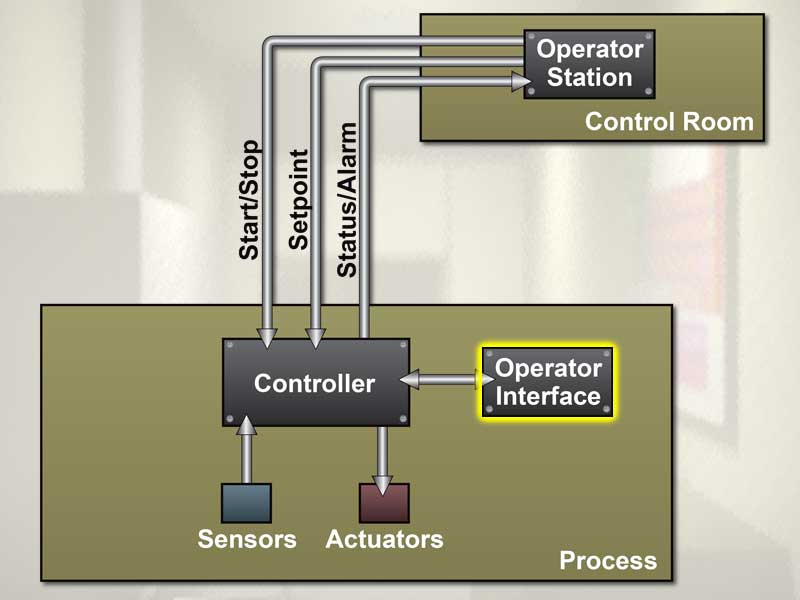
Instrument Control Loops provide regulation, measurement, and control of the various subsystems that make up the systems in an industrial facility. They are composed of a range of devices often including those that provide electrical power, measurement capability, signal conversion and transmission, indication of measured values, and process control functions.
When first trying to understand instrument control loops, it is often useful to break them into two distinct but connected subsystems: instrument loops and control loops. Instrument loops will typically consist of a power supply, a transmitter, and a meter providing indication. The instrument loop may itself be electric, pneumatic, or hydraulic depending on the specific system. The control loop will typically consist of four elements that are represented by a range of components. These elements are:
- Primary Element – This detects changes in the variable that is to be controlled (e.g. pressure in a storage tank).
- Measuring Element – This converts the detection element’s output into a standard, proportional signal.
- Controlling Element – This compares the standard signal to the system set point and produces an output control signal.
Final Element – This reacts to the controlling element’s output and takes action to adjust the variable (e.g. lowering system pressure by opening a motor operated relief valve).
Having at least an introductory knowledge of Instrument Control Loops is an important part of working in modern industrial facilities. To learn more about Instrument Control Loops and other I&C Systems, sign up for online training courses at www.myodesie.com.