TTS is Now Offering Open Enrollment for ControlLogix Training

TTS is Now Offering Open Enrollment for ControlLogix Training

Programmable logic controllers, or PLCs, are used to automate processes in industry. In the 1960’s, the computerized processor replaced the relay logic control system. With the widespread use of PLCs in today’s automation industry, a technician is required to have a good understanding of their operation in order to perform maintenance and troubleshooting procedures. TTS understands the ongoing need for up-to-date training, and is now offering Open Enrollment for our September 16, 2013 Intensive ControlLogix and RSLogix 5000 Training course. Our own expert and Executive VP, Mike Coats will be hosting the training in our brand new Houston Office! For more information, please contact us at: //dev-tts-web.flynautstaging.com/training/controllogix-training-houston/.

Mike_BLog_Final

Related Blogs

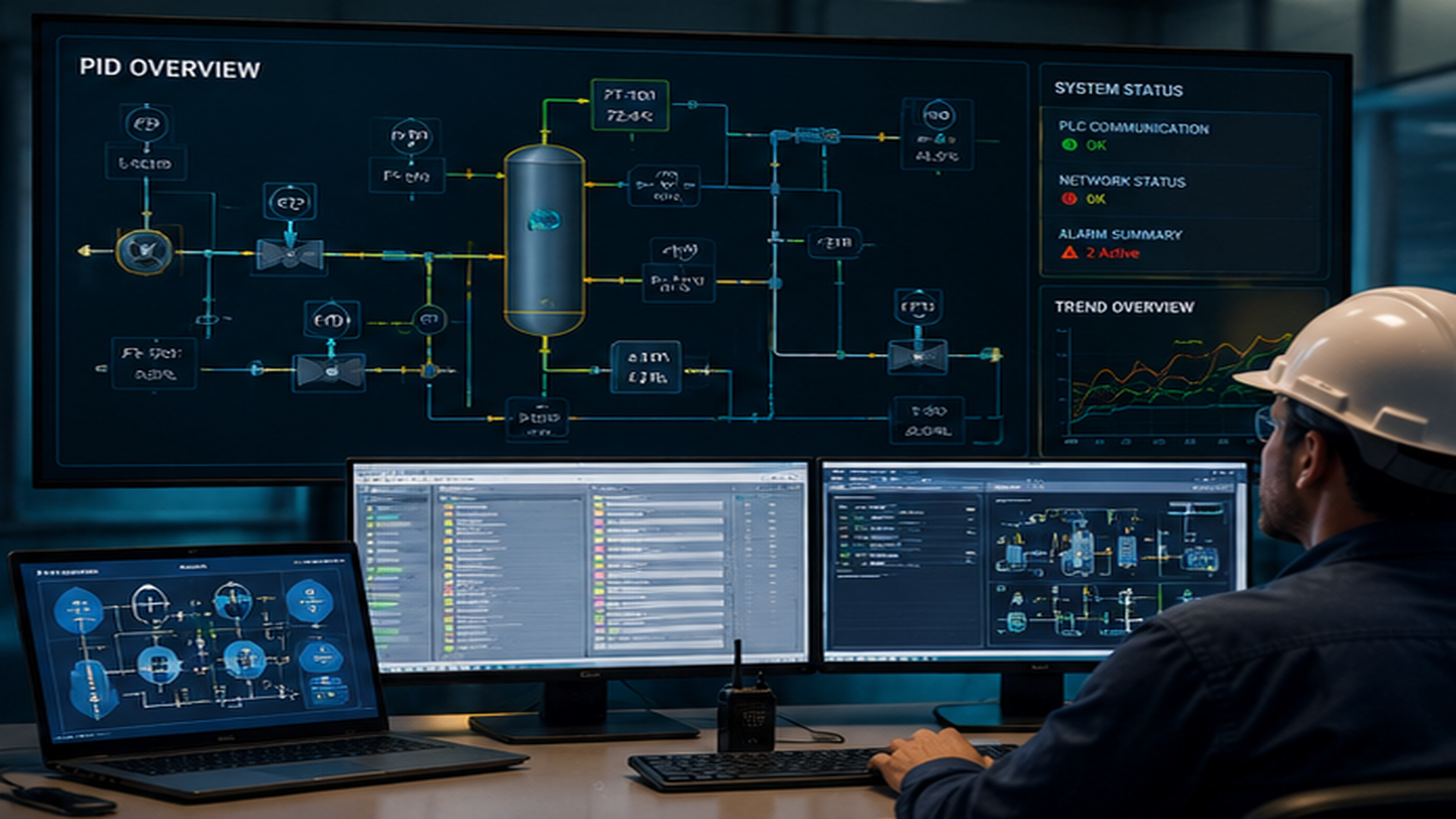
PID systems used in industrial automation for process control, showing how proportional, integral, and derivative controllers maintain temperature, pressure, flow, and level stability in industrial operations.
What Are PID Systems and Why Do They Matter in Industrial Operations?

What Is a PID System? A PID controller — Proportional-Integral-Derivative controller — is the most widely used feedback control mechanism […]

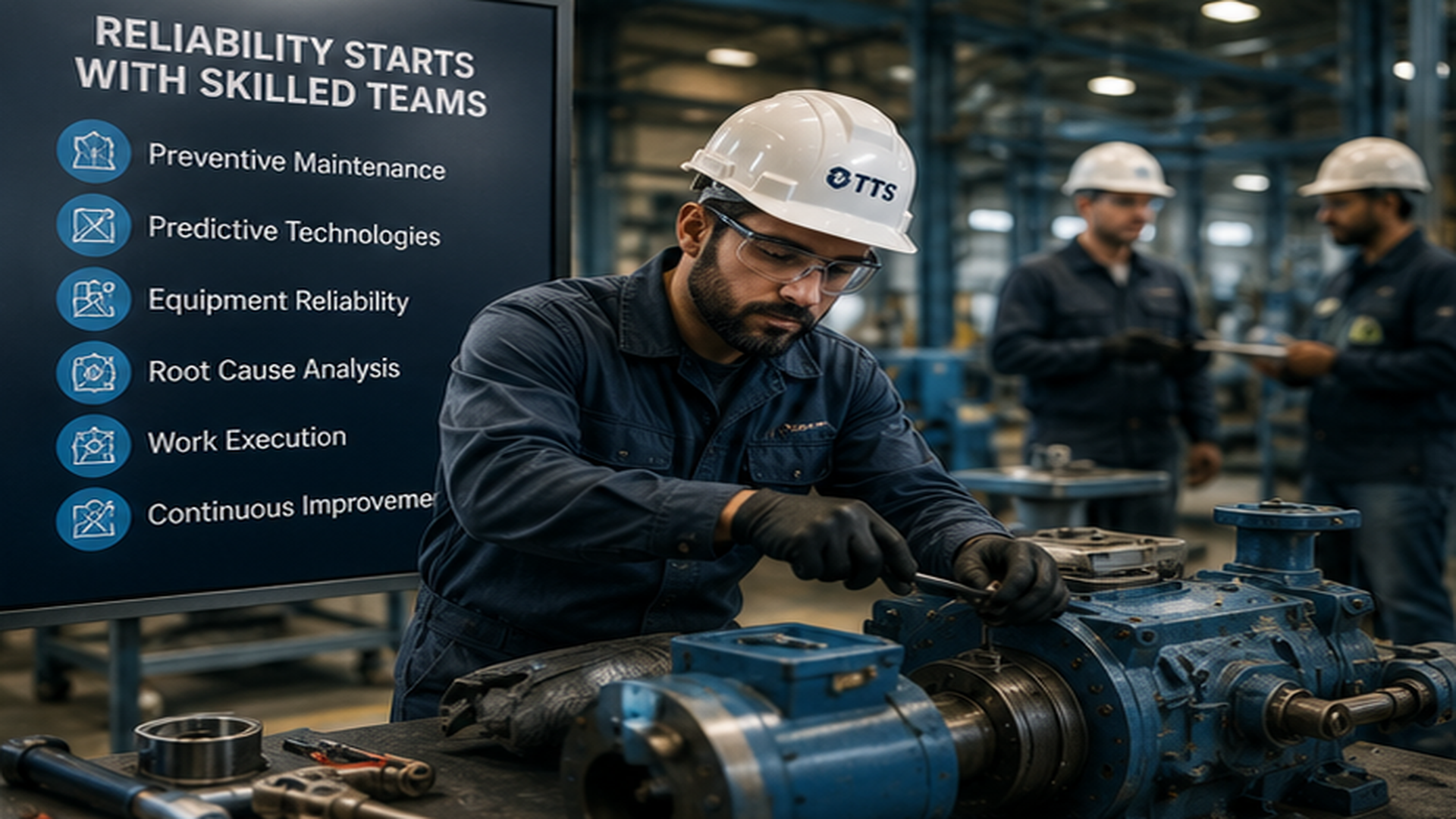
Maintenance workforce training program focused on reliability improvement, preventive maintenance, troubleshooting, MTTR reduction, and equipment uptime in industrial facilities.
How Maintenance Workforce Training Improves Reliability and Uptime
Learn how maintenance workforce training improves reliability, reduces downtime, lowers MTTR, increases MTBF, and strengthens industrial workforce performance.
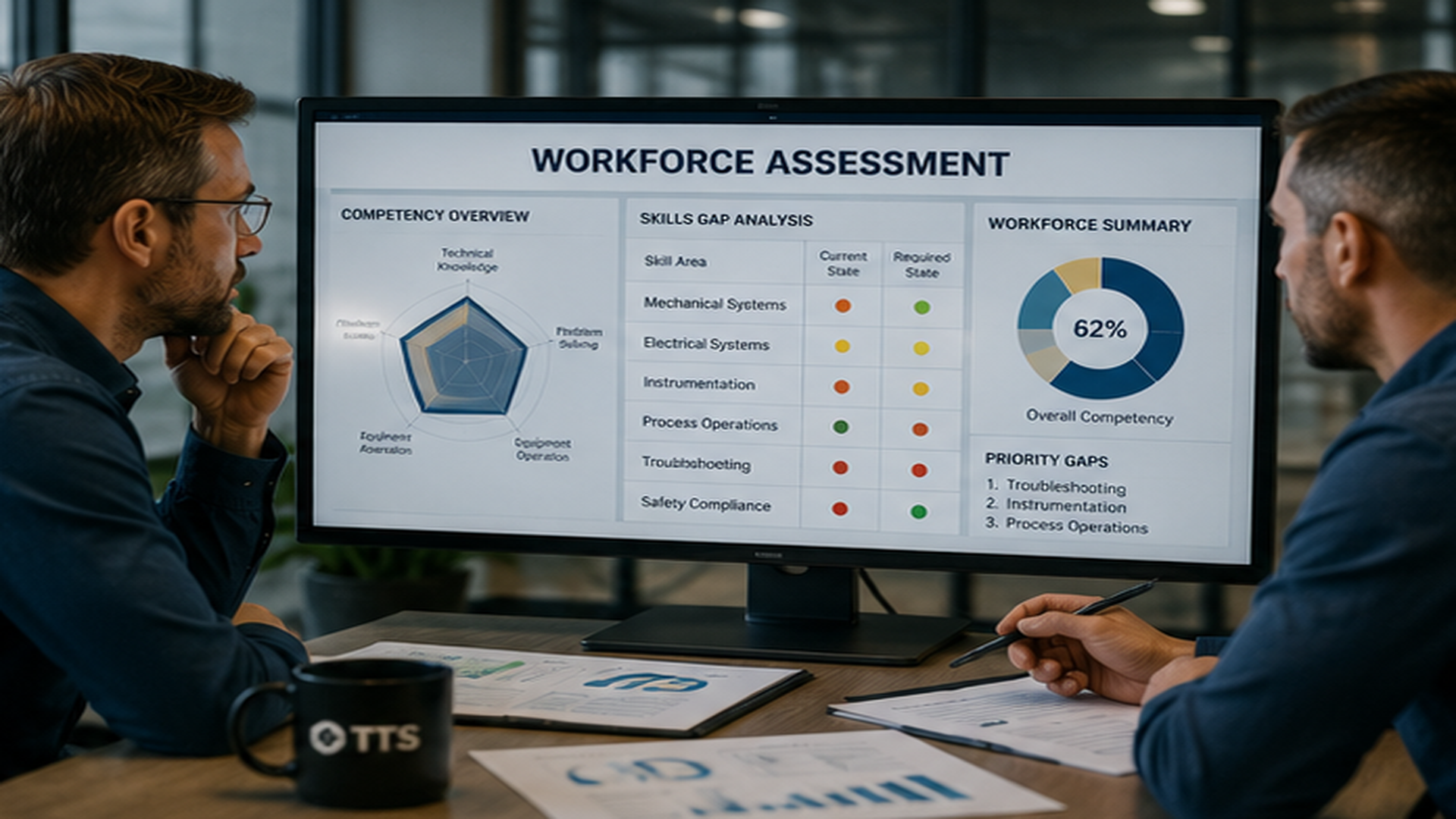
Technical workforce assessment evaluating employee competencies, skills gaps, and workforce readiness in an industrial facility.
What Is a Technical Workforce Assessment?
Learn how technical workforce assessments help industrial organizations identify skills gaps, improve workforce readiness, reduce downtime, and align training with operational goals.
Scroll to Top