TTS Wins the 2013 Alfred P. Sloan Award Again!

TTS Wins the 2013 Alfred P. Sloan Award Again!

Technology Transfer Services was a recipient of the 2013 Alfred P. Sloan Award for Excellence in Workplace Effectiveness and Flexibility for the second consecutive year!  TTS was one of winners, selected from the many applicants, who received the honor.  As Ellen Galinsky, president of Families and Work Institute, said, “The employers who win this award are the best and most innovative in the nation, and they’re reaping the benefits in the success of their companies as they compete in a 24/7 global marketplace.”

What the media is saying, Read more.


When Work Works Announces the 2013 Sloan Award Winners

These 297 winners are outstanding examples of the best employers in the country, creating effective and flexible workplaces and supporting employee well being at the intersection of work and life.  Click here, to read the full announcement.

Related Blogs

PID systems used in industrial automation for process control, showing how proportional, integral, and derivative controllers maintain temperature, pressure, flow, and level stability in industrial operations.
What Are PID Systems and Why Do They Matter in Industrial Operations?

What Is a PID System? A PID controller — Proportional-Integral-Derivative controller — is the most widely used feedback control mechanism […]

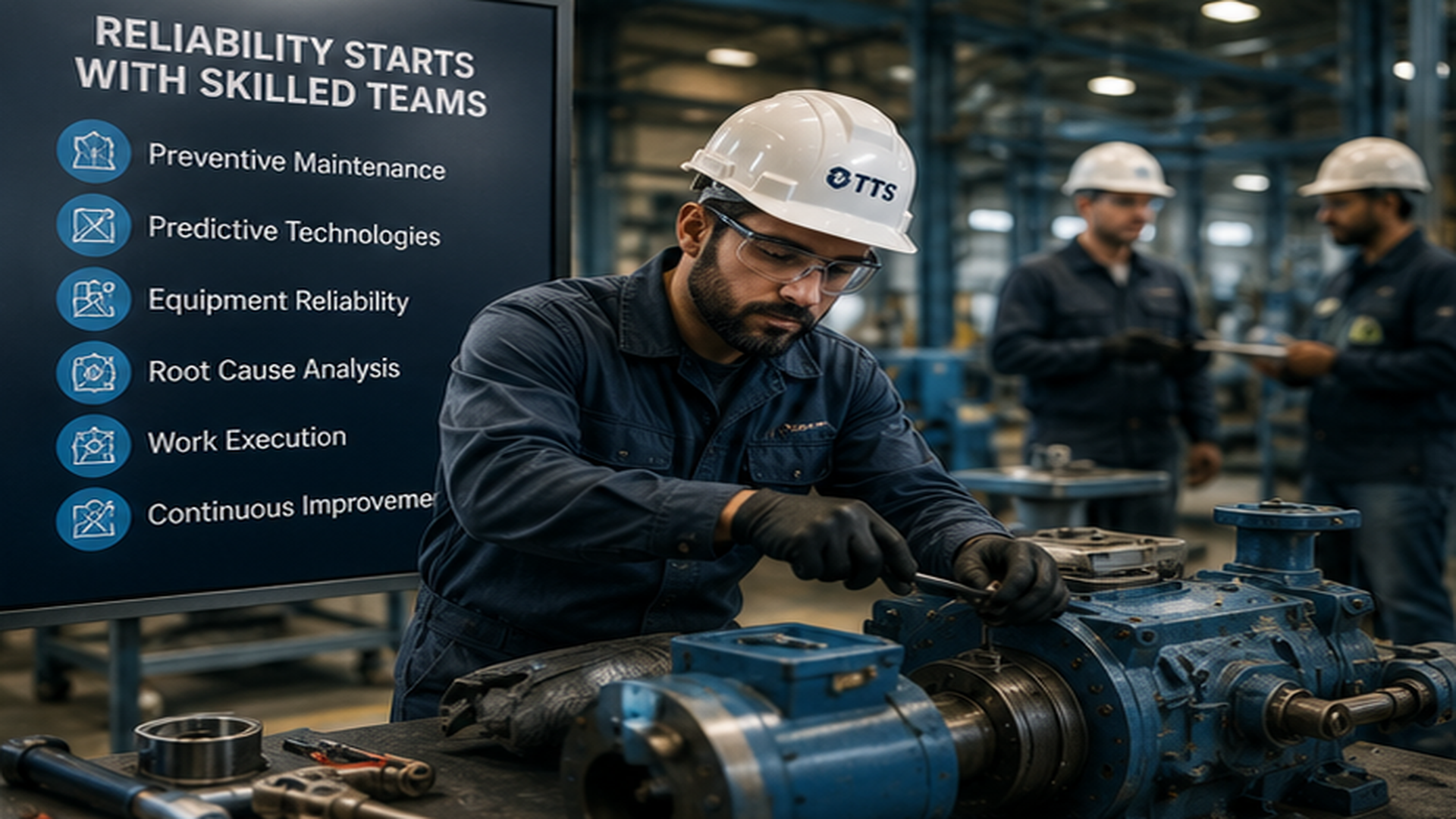
Maintenance workforce training program focused on reliability improvement, preventive maintenance, troubleshooting, MTTR reduction, and equipment uptime in industrial facilities.
How Maintenance Workforce Training Improves Reliability and Uptime
Learn how maintenance workforce training improves reliability, reduces downtime, lowers MTTR, increases MTBF, and strengthens industrial workforce performance.
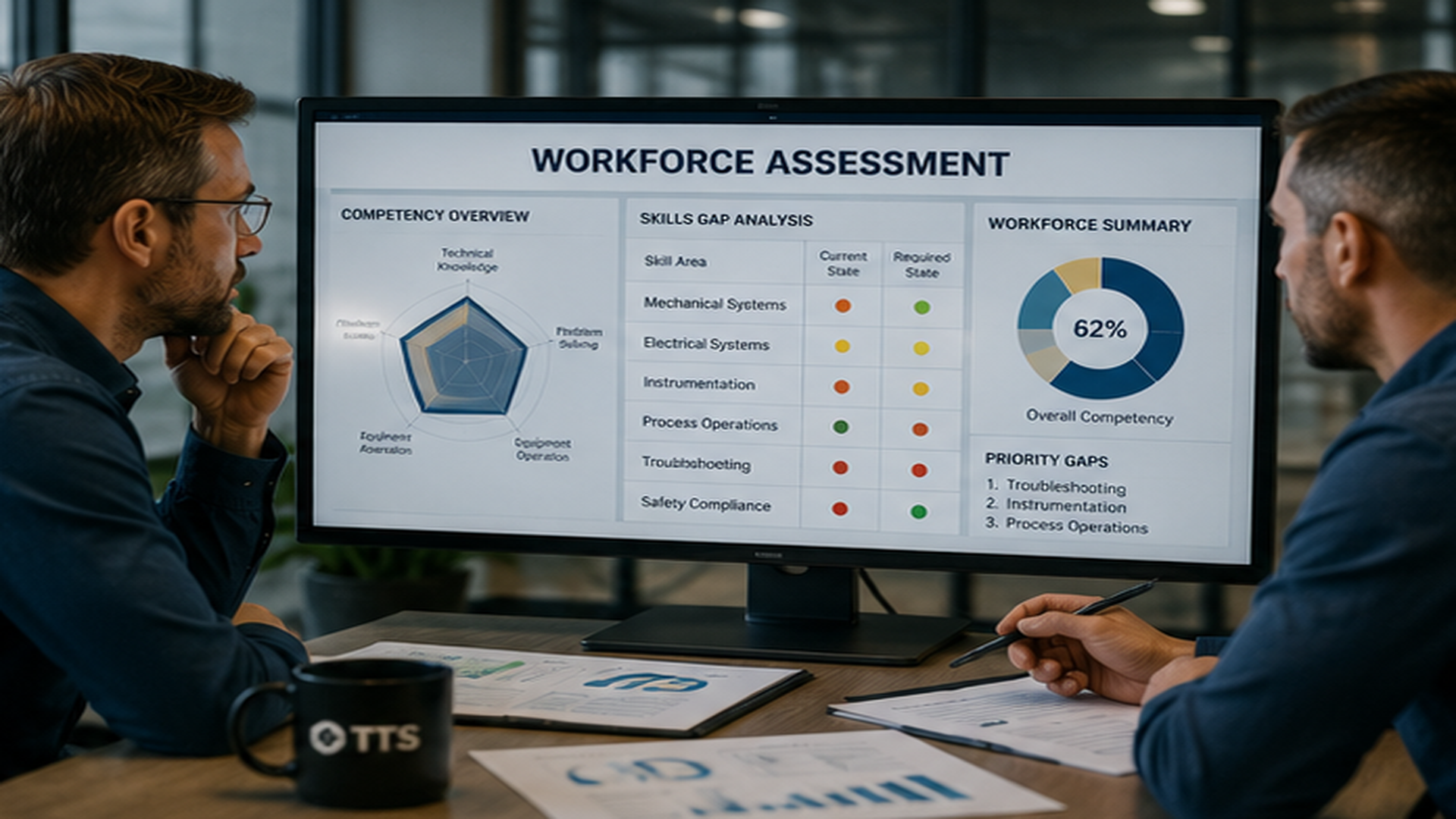
Technical workforce assessment evaluating employee competencies, skills gaps, and workforce readiness in an industrial facility.
What Is a Technical Workforce Assessment?
Learn how technical workforce assessments help industrial organizations identify skills gaps, improve workforce readiness, reduce downtime, and align training with operational goals.